Creative development that still loads fast.
The bespoke WebGL on this site — the object in the hero, an archive you fly through, two case openings drawn for their own projects — while the page you are reading still hits a one-second LCP. That is the discipline: motion that argues for the brand, cut the moment it costs more than it returns.
View evidenceReal-time and WebGL
Three.js and hand-written GLSL where the subject genuinely benefits — a raymarched glass form behind the type, a bridge that assembles itself as its case study opens, a contract atlas that unfolds. Four scenes on FIDIC.uz, each loaded only on the page that uses it and only once the browser is idle.
Motion with a job
Camera movement that shows hierarchy, transitions that carry you between two states instead of interrupting them, scroll that is scrubbed rather than autoplayed past you. Anything decorative that cannot answer what it is for gets cut — which on this site meant most of the first draft.
Performance as art direction
DPR caps, texture budgets, adaptive frame rates, pausing when the tab is hidden, and opting constrained devices out entirely — Save-Data, two gigabytes of memory or two cores get the CSS background instead. The aesthetic is shaped by these limits as much as by the materials.
Accessible by default
prefers-reduced-motion respected properly — which means slowing a thing down, not freezing it, because a paused object reads as a broken page. Content stays in the document, keyboard paths stay intact, and everything that reveals content lives outside the bundle so a failed script cannot hide the page.
Shipped, then maintained
The interesting work starts after launch. This site keeps a public engineering log of what broke, how it was found and what it measured — including the changes that were measured and then thrown away. Read it before hiring anyone, including me.
A quiet architectural film built around daylight, material restraint and a continuous camera journey through a Lake Como interior.
interactive archive sectors
three case portals and nine 3D workstarget for motion and WebGL experiences
measured on a mid-range phone, not a workstationbefore the WebGL chunk starts downloading at all
well past the window that decides LCPThese are measurements of this site, not of a client launch — it is the one build whose internals can be opened and checked, which is why the engineering log is public. The 3D layer here is deliberately the last thing to load and the first thing a weak device is excused from.

A multilingual corporate site and the SEO system under it — organic search up 780% inside the launch window.
Astro / Three.js / GSAP · 2026Open case CASE / 02FIDIC.uz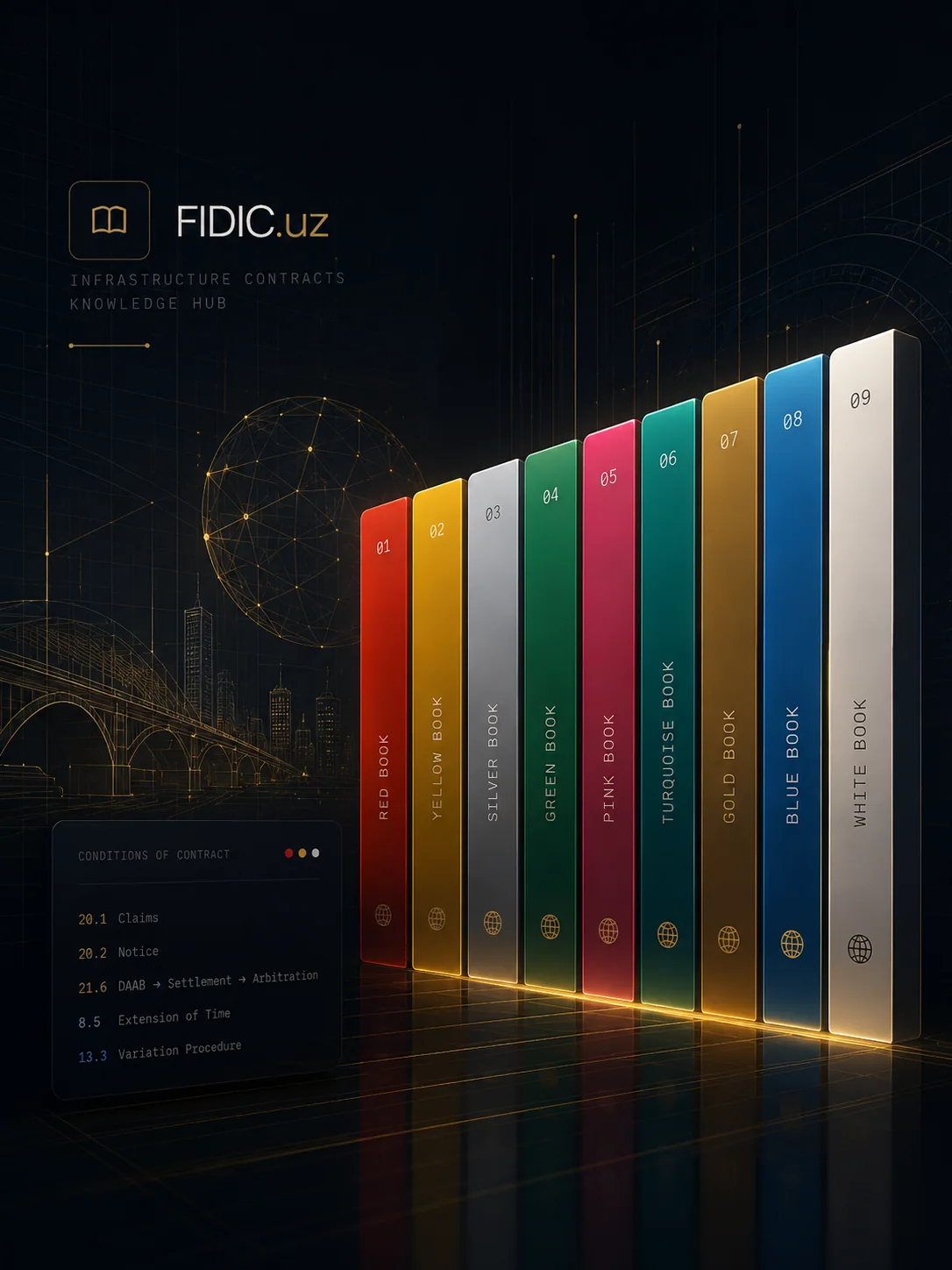
429 static pages and 117 expert articles in a niche of a few thousand specialists — 17 380 search impressions in its first 82 days, with no advertising at all.
Astro / MDX / Serverless · 2026Open caseThe logic behind the work.
Does 3D hurt performance and SEO?
It does when it is the only place content exists, or when it loads before the page is readable. Handled properly it costs almost nothing at first paint: the meaning is server-rendered HTML, the 3D layer arrives after, and constrained devices skip it entirely. Measured on this site, the WebGL chunk starts downloading about three seconds in — well past the window that decides LCP.
When is Three.js the wrong choice?
When the subject is not spatial. A pricing table, a booking flow, a documentation site — none of them get clearer in 3D, and the budget buys more as content or speed. It earns its place when a system needs to be explorable, when a transition should read as one continuous move, or when the object itself is the product.
What do you build with?
Astro for the document, TypeScript throughout, GSAP and ScrollTrigger for timeline work, Lenis for desktop wheel smoothing, Three.js and raw GLSL for the real-time layer, and the Web Audio API for the ambience, which is not fetched at all until a visitor turns sound on. Static output on Vercel, with serverless functions only where something has to run per request.
Can you work with an existing brand?
Yes — most of this work is translating a brand that already exists into motion and space without contradicting it. Bridge Consult had a positioning and a visual identity; the job was to give it a digital surface that read as the same company, not a different one wearing its logo.
How is a project like this run?
Scope first, in writing, including what is deliberately not being built. Then a working page rather than a mockup, because a static comp cannot tell you whether a transition feels right or what it costs on a phone. Then measurement, and a list of what to cut. Every case study here was built and shipped solo, so there is no handover where the intent gets lost.
Showreel-grade build
- Timeline
- From 3 weeks
- From
- €2,900
- Reply
- Within a day
A reason for it. If the effect will not earn its weight, I will say so and build the simpler thing.